I received my M.S. in Electronic and Information Engineering from
Tsinghua University in 2025,
advised by Prof. Peiwu Qin.
Previously, I earned my B.E. in Electronic and Information Engineering at
China University of Mining and Technology.
My research connects multimodal AI, generative modeling and computational imaging,
including audio-visual perception, physics-guided image restoration and reliable biomedical AI.
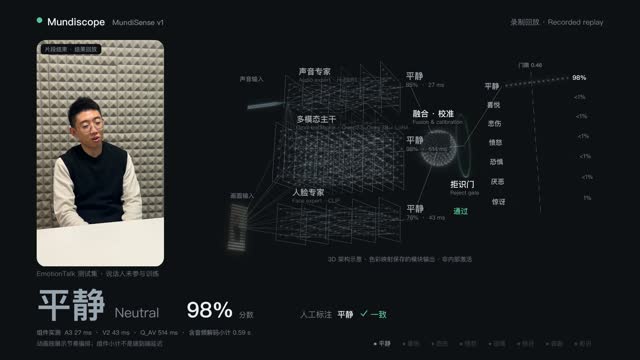
My latest project, MundiSense v1,
brings voice and facial expression together as Mundiscope’s first perception layer for
human-centered interaction, with explicit uncertainty.
Oct. 2026MundiSense v1 introduces Mundiscope’s audio-visual perception layer. Explore the 1 min 44 s recorded demo, technical report and research code.
Jun. 2025 I completed my M.S. in Electronic and Information Engineering at Tsinghua University.
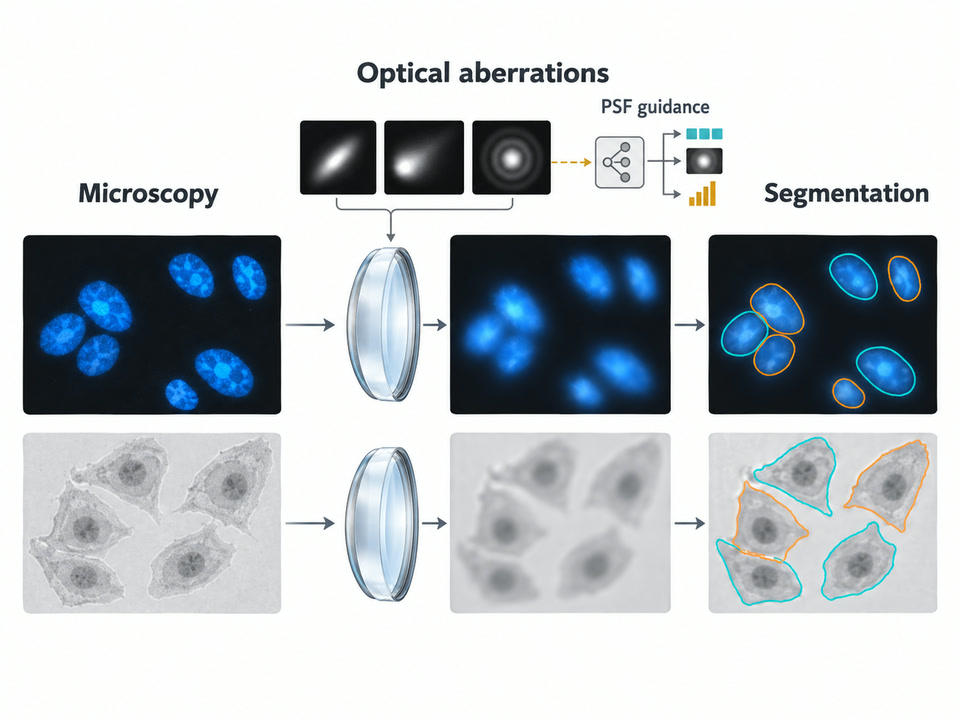
Sep. 2024 Our paper on cell segmentation under optical aberrations was published in CSBJ.
Education
Tsinghua University 2022.09 - 2025.06
M.S. in Electronic and Information Engineering Research Advisor: Prof. Peiwu Qin
China University of Mining and Technology 2017.09 - 2021.06
B.E. in Electronic and Information Engineering
Research & Projects
† Equal contribution. The latest project is highlighted.
My work spans multimodal LLMs, generative modeling and reliable AI for scientific and medical applications. See also Google Scholar.
Bringing voice and facial expression together, with room for uncertainty. MundiSense v1 is Mundiscope’s Sense layer for Chinese-language, single-person interaction: a LoRA-adapted Qwen2.5-Omni-7B combines with HuBERT and CLIP specialists to estimate observable expression, route missing inputs and abstain when evidence is uncertain. Sense → Remember → Express is the broader direction; memory and expressive response remain future work.
Multimodal LLMs
Affective Computing
Audio-Visual Fusion
Uncertainty-Aware AI
EmotionTalk R3: macro-F1 0.645 on 1,929 utterances, without threshold rejection. CH-SIMS v2: sentiment Pearson r = 0.792 on 976 media-available clips of 1,034. These measure different tasks; expression estimates do not establish a person’s inner state.
A robustness benchmark for cell instance segmentation under simulated optical aberrations in fluorescence and bright-field microscopy. The study compares segmentation architectures and Cellpose 2.0, and introduces PLCM to identify aberration properties from point spread functions.
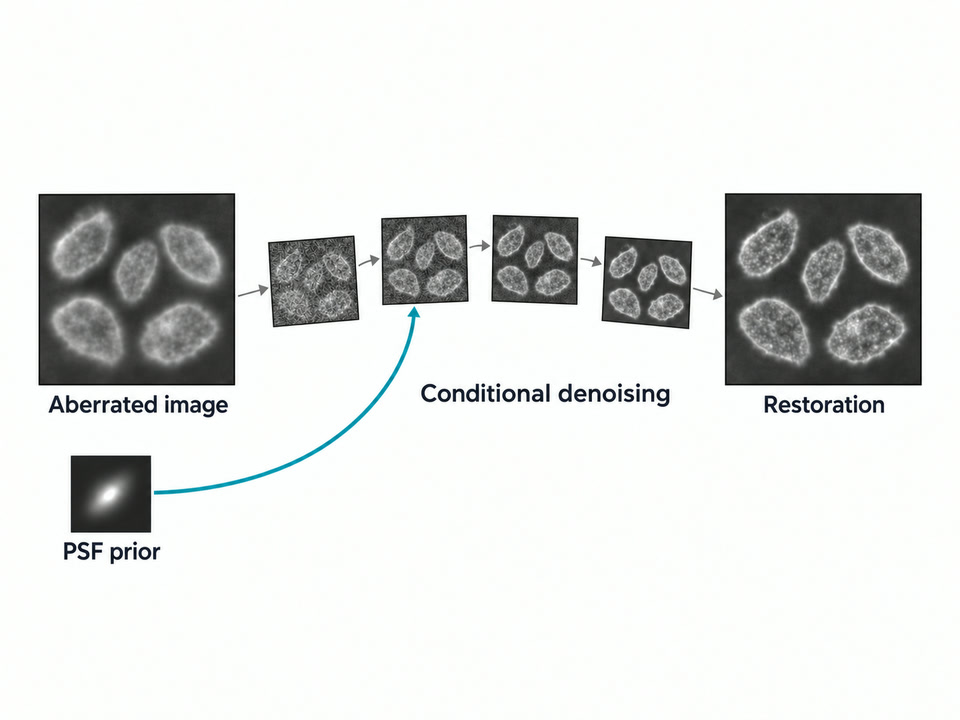
PSF-guided conditional diffusion for microscopy aberration correction Boyuan Peng, Jiaju Chen, et al.
Research project
Exploring point spread functions as physical conditioning for diffusion-based restoration of aberrated microscopy images. The goal is to recover cellular structure and boundaries while incorporating knowledge of the optical imaging process.
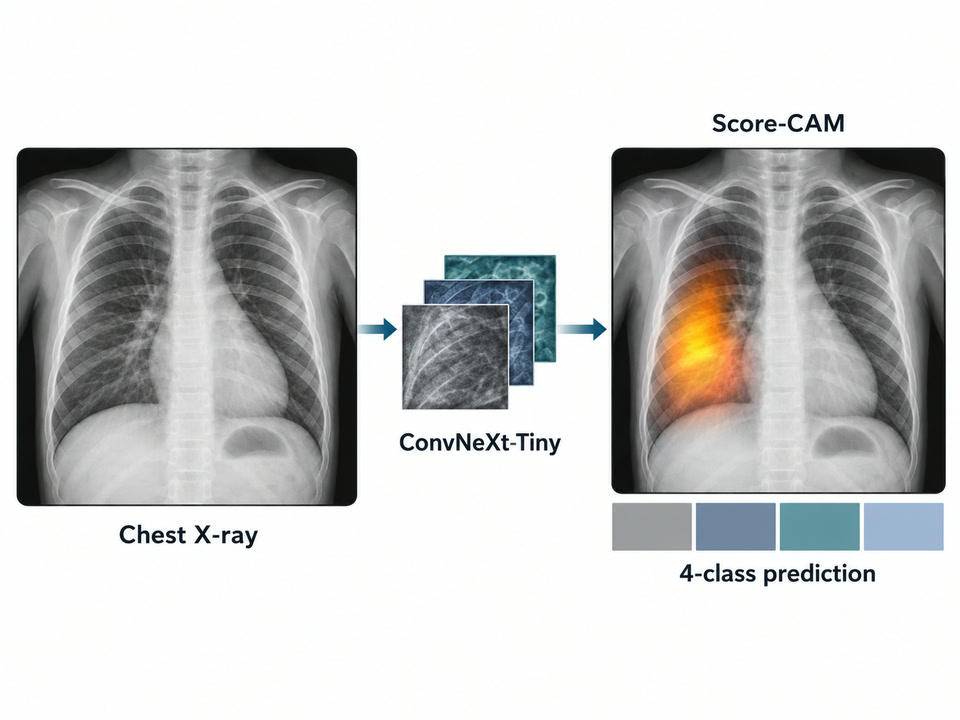
ConvNeXt-Tiny distinguishes mycoplasma, bacterial and viral pneumonia from normal pediatric chest X-rays. Score-CAM highlights regions associated with model predictions, with an Android application prototype for exploring results.
Explainable AI
ConvNeXt
Medical Image Classification
Model Attribution
Reported test accuracy: 88.20% · AUROC: 0.9218 · Four-class research evaluation
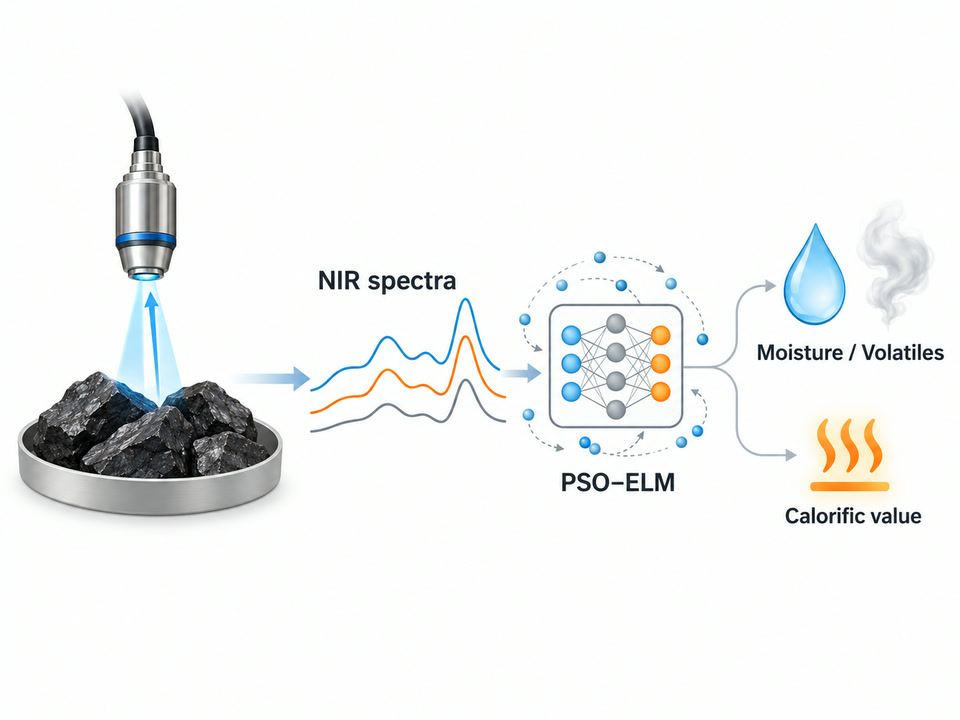
Near-infrared spectra provide a rapid, nondestructive route to estimating moisture, volatile matter and calorific value. The study compares random forests, extreme learning machines and particle-swarm-optimized ELM regression.
Scientific Machine Learning
Spectral Regression
Swarm Optimization
Near-infrared spectroscopy · PSO–ELM · Material characterization
Project Links
Research projects and their resources.
Loading projects...
Service and Teaching
Teaching Assistant: Spectrum and Microscopy, Tsinghua University, Fall 2023
Awards and Honors
2024: Innovation and Entrepreneurship Award, Tsinghua University (Top 10%)
2023–2024: Second-class School Scholarship, Tsinghua University
2017–2018 and 2018–2019: Second-class School Scholarship, CUMT
Pets 🐾
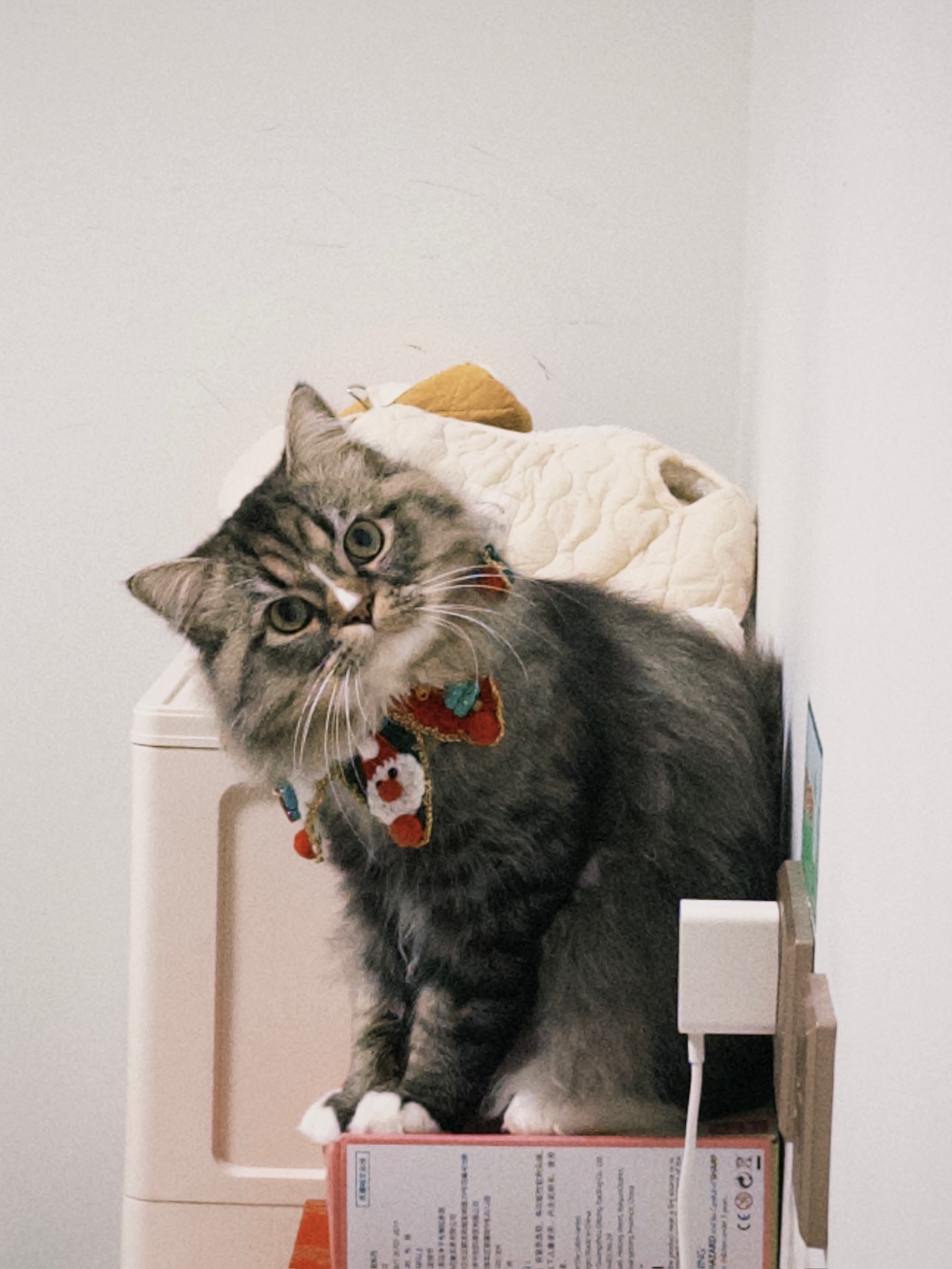
A small corner for my two cats, who keep me company beyond academia.



 Mundiscope · 洞悉尘世